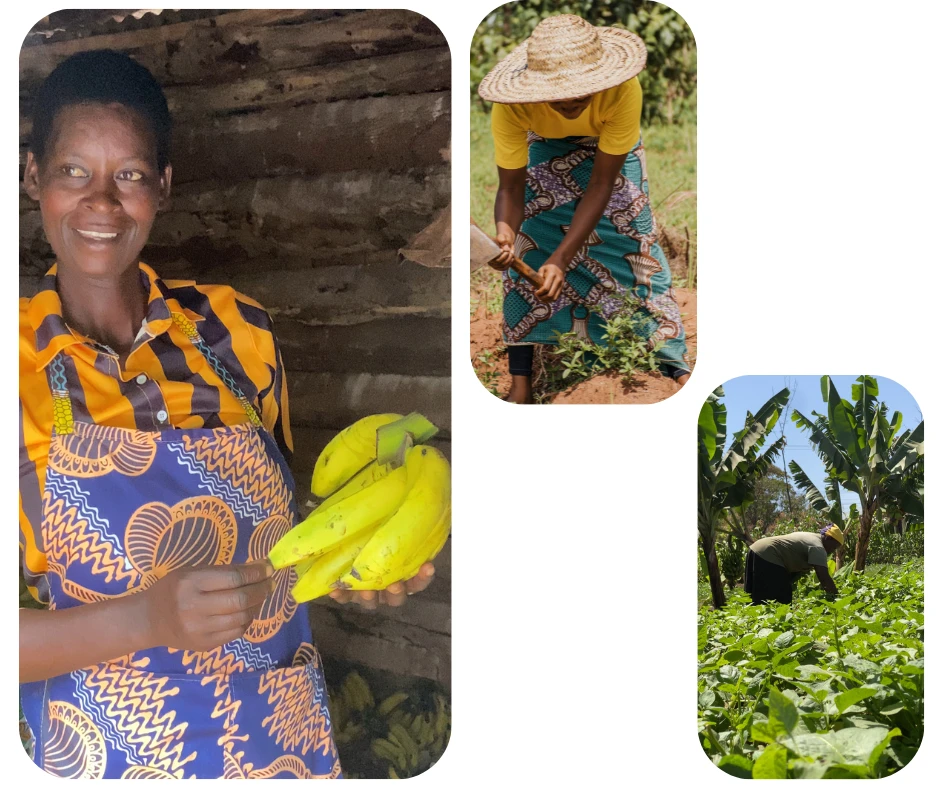
Kirinyaga Farm
Visit Overview
The banana farm visit to Kirinyaga County was organized to understand the practices, challenges, and opportunities surrounding smallholder banana production in the region. Kirinyaga is well-known for its fertile soils, reliable rainfall, and active small-scale farmers who grow bananas both for subsistence and commercial markets.
The purpose of the visit was to gather insights on sustainable banana farming techniques, disease management, value addition opportunities, and market access. Such visits help farmers, agribusiness partners, and development agencies design better interventions to support banana farmers with practical solutions and resources.
The Challenge of the Visit
The main challenge addressed during the visit was to evaluate how local banana farmers manage common production constraints while striving to increase yield and quality to meet growing market demands. Key focus areas included:
-
Crop management: Varieties planted, spacing, fertilization, and mulching practices.
-
Disease and pest control: Strategies used to manage banana bacterial wilt, nematodes, and pests.
-
Post-harvest handling: How farmers store, sort, and transport bananas to avoid losses.
-
Market linkages: Current selling channels, pricing structures, and cooperative efforts to reach larger buyers.
The visit also aimed to identify gaps in extension services, input supply, and potential for small-scale processing and value addition.
Key Activities Covered
-
Field walk: Inspecting banana plantations, spacing, and intercropping practices.
-
Interviews: Speaking with farmers about challenges, successes, and innovations.
-
Demonstrations: Observing techniques like organic composting and mulching for moisture retention.
-
Post-harvest review: Seeing storage sheds and transportation methods used to minimize spoilage.
-
Market discussion: Talking to farmers and brokers about current buyers, cooperative marketing, and price fluctuations.
Final Results
The Kirinyaga banana farm visit highlighted the region’s potential to become a major banana production hub if a few challenges are addressed. Key findings include:
-
Farmers are knowledgeable and committed to expanding production but face threats like pests, diseases, and unpredictable market prices.
-
Sustainable farming practices like organic mulching, proper sucker management, and compost use are helping boost yields and soil health.
-
There is great opportunity for training in disease prevention, especially for bacterial wilt, which remains a threat to productivity.
-
Farmers expressed strong interest in collective marketing and small-scale value addition (e.g., banana crisps, flour, and wine) to reduce post-harvest losses and improve incomes.
-
Partnerships with buyers, extension officers, and processors are critical for scaling up production and ensuring stable prices.